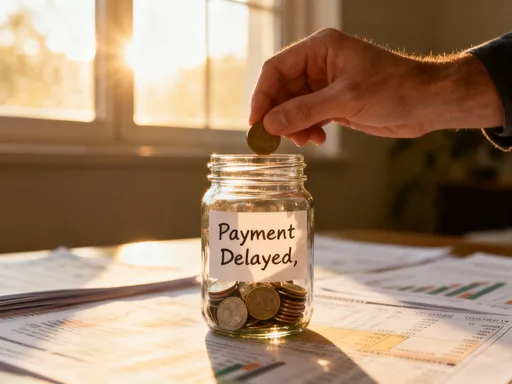
How I Turned Installment Payments Into a Smarter Wealth-Building Habit
What if paying your bills could actually help you earn more? That’s exactly what happened when I stopped seeing installment payments as just another expense and started using them strategically. I used to dread monthly payments—until I discovered how to align them with my financial goals. This shift didn’t require extra income or risky moves. It was about timing, planning, and a few simple habits that boosted my returns. Let me show you how.
The Hidden Cost of Mindless Installments
Most people treat installment payments as neutral financial transactions—neither good nor bad, just necessary. But when examined closely, unmanaged installment plans reveal a hidden cost that goes beyond the price tag of the purchased item. These recurring outflows, often automated and forgotten, quietly erode liquidity and limit opportunities for growth. The real danger isn’t the individual purchase, but the cumulative effect of multiple small commitments that drain cash flow without delivering proportional value. A $300 smart TV, a $150 kitchen appliance, and a $50 monthly subscription may seem manageable on their own, but together they represent a continuous outflow that reduces the amount of capital available for savings, investments, or emergency preparedness.
Consumer financing has made it easier than ever to spread payments over time, but this convenience often masks the true financial burden. Retailers and service providers promote “interest-free” or “no money down” offers, creating a false sense of affordability. However, even zero-interest installment plans carry an opportunity cost—the money paid out each month could have been used elsewhere, such as earning interest in a high-yield savings account or reducing higher-interest debt. When installment payments are made on autopilot, without considering timing or cash flow alignment, they become a drag on financial progress. The lack of intention behind these payments means that individuals are not optimizing their financial rhythm, and over time, this passive approach leads to slower wealth accumulation.
Another overlooked aspect is the psychological impact of installment debt. Even when payments are affordable, the mental load of tracking multiple due dates and balances can create stress and reduce financial clarity. This cognitive burden makes it harder to focus on long-term goals like saving for a home, funding education, or building retirement security. When people fail to audit their recurring obligations regularly, they risk overextending themselves, especially when unexpected expenses arise. A single emergency can turn a manageable payment schedule into a source of financial strain. Therefore, the first step toward smarter installment use is awareness—recognizing that every payment, no matter how small, affects overall financial health and must be evaluated in the context of broader goals.
Reframing Payments: From Expense to Financial Leverage
The key to transforming installment payments from financial liabilities into strategic tools lies in mindset. Instead of viewing these payments as unavoidable expenses, they can be reframed as part of a deliberate financial strategy. When managed intentionally, installment plans allow individuals to preserve capital in the short term while still acquiring necessary goods or services. This shift in perspective turns a passive outflow into an active decision point—when to pay, how much to pay, and what to do with the funds in the meantime. The goal is not to eliminate installments, but to use them in a way that enhances control over cash flow and creates space for better financial outcomes.
One powerful concept is the idea of financial leverage through timing. For example, if a $1,200 refrigerator is purchased with a 12-month no-interest installment plan, the buyer has the option to pay $100 per month instead of the full amount upfront. That $1,200, if kept in a high-yield savings account earning 4% annual interest, would generate approximately $40 in interest over the year. While this may seem modest, it represents a risk-free return on money that would otherwise have been spent immediately. More importantly, keeping the funds accessible provides a buffer against emergencies, reducing the need to rely on credit cards or personal loans when unexpected costs arise. This approach turns the installment plan into a tool for liquidity management rather than just a financing mechanism.
Another benefit of strategic installment use is the ability to align spending with income cycles. Many people receive income on a monthly or biweekly basis, yet their bills are spread unevenly throughout the month. By planning installment purchases around paydays, individuals can ensure that payments are made from current income rather than depleting savings. This synchronization reduces the risk of overdrafts and late fees, both of which carry high effective interest rates and undermine financial stability. Furthermore, when payments are timed to follow income deposits, there is a natural window—often two to four weeks—during which funds can be used productively. This period can be used to earn interest, pay down higher-cost debt, or contribute to short-term savings goals, creating a compounding effect over time.
Timing Is Everything: Syncing Payments with Cash Flow
One of the most impactful yet underutilized strategies in personal finance is aligning payment schedules with income cycles. When installment due dates fall shortly after payday, funds are more likely to be available, reducing stress and improving financial control. Conversely, when multiple payments are clustered toward the end of the month, they can create cash shortages even for individuals with stable incomes. The solution lies in proactive management—adjusting billing dates, consolidating due dates, and creating a predictable rhythm that matches the flow of money into the household.
Many banks, credit providers, and service companies allow customers to modify their billing cycles upon request. Shifting a credit card due date by a few days or adjusting a utility bill’s payment schedule can make a meaningful difference in monthly cash flow. For example, someone paid on the first and fifteenth of each month can arrange to have major installment payments due on the third and seventeenth, ensuring that funds are available when needed. This simple adjustment prevents the need to juggle payments or rely on overdraft protection, which often comes with fees exceeding $30 per incident. Over the course of a year, avoiding just two overdraft fees saves more than $60—money that could be redirected toward savings or debt reduction.
Beyond avoiding penalties, syncing payments with income enhances the ability to save consistently. When outflows are predictable and well-timed, it becomes easier to set aside money before spending it. This concept, known as “paying yourself first,” gains even more power when combined with installment planning. For instance, if a $200 monthly installment is scheduled for the fifth of each month, and income is received on the first, the first four days create a window to transfer funds into a savings account or high-yield vehicle. Even a short-term deposit can earn interest, and over time, these small gains accumulate. The psychological benefit is equally important—knowing that bills are covered and savings are growing fosters confidence and reduces financial anxiety.
Additionally, aligning payments allows for better budgeting and forecasting. When all major outflows are mapped to income dates, it becomes easier to identify surplus periods—times when income exceeds obligations. These windows can be used strategically, such as making extra payments on high-interest debt or increasing contributions to retirement accounts. The result is a more dynamic and responsive financial plan, where money is not just spent but actively managed to support long-term goals. This level of control transforms installment payments from passive obligations into active components of a wealth-building strategy.
Boosting Returns Without Taking on Risk
One of the most overlooked opportunities in personal finance is the ability to earn modest but meaningful returns without exposing oneself to market risk. By optimizing the timing of installment payments, individuals can keep more money in interest-bearing accounts for longer periods, allowing even small balances to generate additional income. This approach does not require stock market speculation, cryptocurrency trading, or any form of high-risk investment. Instead, it relies on disciplined cash flow management and the consistent use of low-risk financial instruments such as high-yield savings accounts, money market accounts, and short-term certificates of deposit (CDs).
Consider a common scenario: a $600 laptop purchased with a six-month, no-interest installment plan. Instead of paying the full amount upfront, the buyer spreads the cost at $100 per month. If that $600 is kept in a high-yield savings account earning 4.5% annual percentage yield (APY), it would generate approximately $13.50 in interest over six months. While this amount may seem small, it represents a 100% risk-free return on the opportunity cost of early payment. Moreover, if this practice is repeated across multiple purchases throughout the year—furniture, appliances, software subscriptions—the cumulative interest earned can reach hundreds of dollars annually, all without changing income or taking on additional work.
The power of this strategy lies in repetition and consistency. Each time a payment is delayed within the terms of a no-interest plan, a small window of opportunity opens. Even a two-week delay can allow funds to earn interest, especially when compounded across multiple transactions. For example, someone who makes five major purchases per year using installment plans could generate an additional $75 to $150 in passive income, depending on account yields and timing. This money, when reinvested or saved, contributes to long-term financial resilience. More importantly, it reinforces a mindset of intentional money use—every dollar is seen not just as a means of exchange, but as a potential source of growth.
Another advantage of this approach is its compatibility with emergency preparedness. By keeping larger balances accessible for longer, individuals build a stronger financial cushion. This reduces the likelihood of needing to take on high-interest debt during unexpected events, such as car repairs or medical expenses. In this way, smart installment use serves a dual purpose: it generates small returns and enhances financial security. The strategy does not promise overnight wealth, but it delivers steady, predictable progress—exactly the kind of foundation needed for sustainable financial well-being.
Avoiding the Traps: Common Mistakes and How to Dodge Them
While installment plans can be powerful tools when used wisely, they also come with significant risks if managed poorly. The most common mistake is overextending credit—using financing to purchase items that exceed actual budget capacity. Many people assume that because a payment is small, it is harmless. However, multiple small installments can quickly add up, leading to a situation where more than 20% of monthly income is committed to debt service. This level of obligation limits flexibility and makes it difficult to adapt to changing financial circumstances. The key to avoiding this trap is to assess total debt load regularly and ensure that new installment commitments fit within a sustainable debt-to-income ratio.
Another frequent error is ignoring hidden fees and terms. Some “interest-free” installment plans come with deferred interest clauses, meaning that if the balance is not paid in full by the end of the promotional period, all accrued interest is charged retroactively. This can turn a seemingly affordable purchase into a costly financial burden. Other plans may include origination fees, late payment penalties, or prepayment restrictions. To avoid these pitfalls, it is essential to read the fine print and understand all terms before signing any agreement. When in doubt, it is better to choose a straightforward payment method or delay the purchase until funds are available.
A third major issue is the loss of awareness due to automation. While autopay features offer convenience, they can also lead to complacency. Without regular monitoring, individuals may forget about subscriptions, renewals, or price increases tied to installment agreements. A $15 monthly app subscription can quietly rise to $25 over time, and if no one is reviewing the charges, the increase goes unnoticed. To maintain control, it is important to conduct quarterly spending audits, review all recurring payments, and cancel any services that no longer provide value. Setting up calendar alerts for renewal dates and using budgeting apps to track installment obligations can help maintain visibility and prevent unnecessary spending.
Building a System: Tools and Habits That Stick
Lasting financial improvement does not come from occasional discipline but from consistent systems. Relying on willpower alone is unsustainable—life gets busy, priorities shift, and without structure, even the best intentions can fall apart. The solution is to build a personalized financial system that makes smart money management automatic. This begins with tracking all income and expenses in a clear, accessible way. Digital budgeting tools such as spreadsheets, personal finance apps, or bank-integrated dashboards can provide real-time visibility into cash flow, helping users stay aware of upcoming installment payments and available balances.
One effective habit is to create a “payment calendar” that maps all due dates to income deposits. This visual tool allows individuals to see at a glance when money is coming in and when it is going out, making it easier to plan and avoid shortfalls. Another useful strategy is to establish “payment-free zones” in the budget—periods immediately after payday when no major bills are due. These windows provide time to allocate funds toward savings, investments, or debt reduction before money is committed to obligations. Over time, this rhythm becomes ingrained, reducing decision fatigue and increasing financial confidence.
Automation can also be used strategically to support goals. For example, setting up automatic transfers to a savings account on the same day income is received ensures that saving happens before spending. Similarly, linking installment payments to a dedicated account allows for better tracking and prevents overspending. Windfalls such as tax refunds, bonuses, or gifts can be directed toward prepaying high-cost installments, reducing total interest and freeing up future cash flow. The key is to design a system that aligns with personal habits and lifestyle, making it easier to maintain over the long term.
From Survival to Strategy: Turning Monthly Bills Into a Wealth Path
The journey from financial stress to financial control is not defined by sudden windfalls or dramatic income increases. It is built on small, repeated decisions that compound over time. By rethinking installment payments—not as burdens, but as strategic tools—individuals can transform their relationship with money. What once felt like a series of unavoidable expenses becomes a structured system for preserving capital, earning modest returns, and building long-term security. This shift does not require advanced financial knowledge or access to exclusive investment opportunities. It simply requires intention, awareness, and a willingness to optimize the money that is already available.
When payments are timed to match income, when funds are kept productive during grace periods, and when systems are in place to prevent overspending, the result is a more resilient and dynamic financial life. The compounding effect of small gains—whether in interest earned, fees avoided, or debt reduced—creates momentum that accelerates progress toward larger goals. A family saving for a home, a parent funding a child’s education, or an individual preparing for retirement can all benefit from this approach. It turns the ordinary act of paying bills into a powerful habit of wealth building.
Ultimately, financial success is not about how much you earn, but how effectively you use what you have. By mastering the timing and management of installment payments, anyone can gain greater control over their financial future. This is not a shortcut, but a sustainable path—one that turns everyday financial actions into stepping stones toward lasting prosperity.