Lost in the Green Heart of Mexico City — You Won’t Believe What’s Hiding in Plain Sight
Have you ever pictured a lush forest, misty trails, and flamingo-filled lakes inside one of the world’s busiest capitals? I didn’t either — until I wandered beyond the tacos and traffic. Mexico City isn’t just museums and markets; it’s home to breathtaking natural escapes that feel worlds away. From ancient volcanic slopes to serene canals older than Venice, this metropolis cradles wild beauty you’d never expect. Let me take you where the jungle meets the urban jungle.
The Urban Jungle’s Best-Kept Secret
Mexico City, with a population of over 22 million, is often associated with sprawling neighborhoods, bustling streets, and a constant hum of activity. Yet beneath the surface of this vibrant capital lies a network of green sanctuaries that defy expectations. These natural spaces — forests, wetlands, and high-altitude valleys — are not just decorative additions but essential lungs that sustain life in one of the world’s largest urban centers. The city sits in a highland basin at about 2,250 meters above sea level, creating a temperate climate that supports diverse ecosystems. This unique elevation, combined with seasonal rains and volcanic soil, allows nature to flourish in surprising ways, even amid dense development.
What makes these green zones remarkable is not only their existence but their resilience. Despite decades of urban expansion, conservation efforts have preserved vital habitats where native plants and animals continue to thrive. The city’s geography — surrounded by mountains and ancient lakebeds — has helped shape these environments, many of which date back to pre-Hispanic times. Yet for most visitors, these areas remain hidden, overshadowed by famous landmarks like the Zócalo or the Frida Kahlo Museum. The truth is, Mexico City’s soul is not only found in its art and history but in the whisper of leaves, the call of birds, and the stillness of forest trails just minutes from downtown.
These natural escapes are more than scenic backdrops; they are functional ecosystems that filter air, regulate temperature, and provide recreation for millions. Parks like Chapultepec and protected zones like Xochimilco’s canals are not accidental green spaces but the result of centuries of human interaction with nature. The Aztecs, who once ruled this region, engineered sophisticated water systems and revered forests as sacred. Today, their legacy lives on in the city’s ability to balance urban life with environmental stewardship. For the mindful traveler, exploring these green hearts offers not just refreshment but a deeper understanding of how culture and nature can coexist.
Chapultepec: More Than Just a Park
At the heart of Mexico City lies Chapultepec Forest, one of the largest and most significant urban parks in the Western Hemisphere. Covering over 686 hectares, it stretches across the Miguel Hidalgo and Cuauhtémoc boroughs like a green spine connecting neighborhoods and memories. More than just a recreational space, Chapultepec has served as a spiritual, political, and ecological landmark for centuries. The Aztecs considered it a sacred site, drawing water from its springs and honoring it as the home of the wind god, Ehécatl. Today, it remains a sanctuary where families picnic, couples stroll, and joggers weave through shaded paths beneath towering ahuehuete trees.
The park is divided into three sections, each offering a different experience. The first section is the most visited, housing the iconic Chapultepec Castle, the National Museum of Anthropology, and the zoo. While these attractions draw crowds, the second and third sections reveal the park’s quieter, more natural side. Here, winding trails lead through dense groves, past small lakes where ducks glide across the surface, and to hidden waterfalls that trickle softly behind clusters of ferns. The air feels cooler, cleaner — a contrast to the city’s usual bustle. Benches shaded by pine and eucalyptus invite quiet reflection, and the occasional deer might be spotted near the forest’s edges, especially in the early morning.
For locals, Chapultepec is more than a park — it’s a daily ritual. Parents bring children to feed the birds, elderly couples walk hand in hand along the lakeside, and students study under the trees. On weekends, the park transforms into a hub of activity: cyclists pedal along dedicated lanes, musicians play in open-air plazas, and food vendors sell fresh fruit and atole. Yet even at its busiest, the forest retains a sense of calm. The sound of traffic fades, replaced by birdsong and the rustle of leaves. It’s a place where nature and urban life don’t compete but coexist in harmony, offering a model of how cities can integrate green space into daily life.
The Floating Gardens of Xochimilco — A Living Heritage
Traveling southeast of the city center, one encounters Xochimilco, a district that feels like a step back in time. Here, a network of ancient canals snakes through the landscape, carrying colorful boats called trajineras that glide over water lilies and past islands of reeds. This system of waterways is all that remains of Lake Xochimilco, once part of a vast lake system that sustained the Aztec capital of Tenochtitlán. The floating gardens, known as chinampas, are artificial islands built by pre-Hispanic farmers using layers of mud, vegetation, and lake sediment. Recognized as a UNESCO World Heritage site, this agricultural marvel continues to support local farming and biodiversity.
While many tourists know Xochimilco for its festive trajinera rides — complete with mariachi bands and floating food vendors — fewer explore its quieter, less-traveled canals. Beyond the main routes, narrow waterways branch into secluded channels where the water is still, and the only sounds are the croak of frogs and the flutter of herons. These back canals are home to native species like the axolotl, a rare salamander found almost exclusively in this region. Though its population has declined due to pollution and habitat loss, conservation projects are working to protect this unique creature and restore the ecological balance of the wetlands.
Visitors who take the time to explore beyond the tourist zones will find a living landscape where tradition and nature intertwine. Farmers still grow vegetables, flowers, and herbs on the chinampas using age-old techniques. The rich, fertile soil produces crops like chilies, tomatoes, and squash, which are sold in local markets. Birdwatchers may spot kingfishers, egrets, and even migratory species that stop here during their long journeys. For those seeking a peaceful experience, early morning rides offer a chance to see the canals bathed in golden light, with mist rising from the water and the scent of damp earth in the air. Choosing a quieter route or hiring a local guide can transform a typical boat tour into a meaningful encounter with Mexico’s ecological and cultural heritage.
Desierto de los Leones: Where the City Disappears
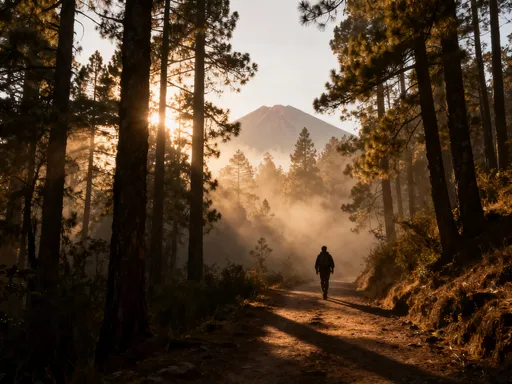
Nestled in the Sierra de las Cruces mountains, just 30 minutes from downtown, lies Desierto de los Leones National Park — a place where the noise of the city fades and the forest takes over. Despite its name, which translates to “Desert of the Lions,” this is no arid wasteland. Instead, it is a lush coniferous forest filled with oyamel firs, pines, and oaks, their canopies forming a dense green ceiling that filters sunlight into soft patterns on the forest floor. The park’s name originates from a 17th-century Discalced Carmelite monastery, whose monks lived in solitude and were likened to lions in the desert for their ascetic lifestyle. Today, their former home stands as a historical site, but the true attraction is the surrounding wilderness.
Hiking trails wind through the park, ranging from gentle paths suitable for families to more challenging routes that climb into higher elevations. The air is noticeably cooler and fresher, carrying the crisp scent of pine and damp moss. Along the way, visitors may encounter small streams, rocky outcrops, and clearings where sunlight breaks through the trees. One of the most popular trails leads to the Mirador de los Cuervos, a viewpoint offering panoramic vistas of the Mexico City basin. On clear days, the skyline is visible in the distance, a reminder of how close civilization is — yet how far it feels in this tranquil setting.
Desierto de los Leones is also a haven for wildlife. The forest provides shelter for migratory birds, foxes, and a variety of reptiles and amphibians. Birdwatchers may spot the Mexican jay or the elegant trogon, while early risers might hear the distant call of owls fading at dawn. The park’s ecosystem is carefully managed to prevent erosion and protect native species, with reforestation projects helping to restore areas affected by past logging. For residents and visitors alike, this national park offers a rare opportunity to disconnect from urban life and reconnect with nature. Whether walking in silence, meditating by a stream, or simply breathing in the clean mountain air, the experience is restorative — a reminder that peace is not so far away, even in a megacity.
Ajusco: The Volcanic Giant You’ve Never Heard Of
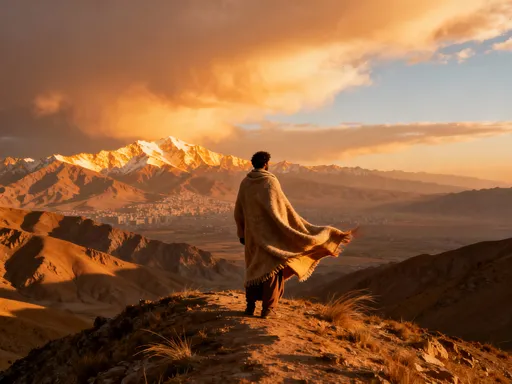
Rising to over 3,900 meters above sea level, Cerro Ajusco is the highest peak in Mexico City and one of its best-kept natural secrets. Part of the Sierra de Ajusco-Chichinauhtzin range, this dormant volcano offers one of the most rewarding hikes in the region, though it remains relatively unknown to international tourists. The ascent begins in the southern borough of Tlalpan, where trails lead through cloud forest and high-altitude grasslands. As elevation increases, the vegetation shifts — from oaks and pines to hardy shrubs and alpine plants adapted to thin air and cool temperatures.
The hike to the summit is challenging but accessible to those with moderate fitness. It typically takes four to six hours round-trip, depending on pace and weather conditions. The trail is well-marked in parts, but fog can roll in quickly, making navigation difficult. Hikers are advised to bring layers, as temperatures can drop below freezing at the top, even in summer. Along the way, the landscape reveals its secrets: patches of wildflowers, including rare orchids; the tracks of foxes and rabbits; and the occasional sighting of a red-tailed hawk circling above. The final stretch is steep, but the reward is unmatched — a 360-degree view of the Valley of Mexico, with the city’s skyline stretching to the horizon and surrounding volcanoes like Popocatépetl and Iztaccíhuatl looming in the distance on clear days.
What makes Ajusco special is not just its height but its solitude. Unlike more commercialized peaks, it sees fewer visitors, offering a sense of true adventure. Local hiking groups often organize weekend trips, sharing stories around small campfires and enjoying simple meals of tortillas and hot chocolate. Conservation efforts are ongoing to protect the area from littering and unauthorized development, ensuring that this natural treasure remains pristine. For those willing to make the journey, Ajusco is more than a hike — it’s a pilgrimage into the heart of Mexico’s volcanic landscape, a place where the earth feels alive and the sky feels close enough to touch.
Contradictions That Inspire: Nature and Urban Life Side by Side
Mexico City’s ability to preserve vast natural areas within its boundaries is a testament to the power of community action and environmental awareness. While rapid urbanization has placed pressure on green spaces, citizens, nonprofits, and local authorities have worked together to protect forests, restore wetlands, and expand urban parks. Reforestation campaigns plant thousands of trees each year, particularly in vulnerable zones like the slopes of Ajusco and the edges of Desierto de los Leones. Volunteer groups organize clean-up days, removing trash from trails and waterways, while educational programs teach children about native species and sustainable practices.
Urban wildlife corridors have also become a priority, allowing animals to move safely between habitats without crossing dangerous roads. These green connectors help maintain genetic diversity among species and reduce human-wildlife conflict. In some neighborhoods, rooftop gardens and vertical green walls are transforming concrete rooftops into mini-ecosystems, improving air quality and lowering temperatures. These efforts are not just about aesthetics — they are vital to the city’s long-term resilience, especially in the face of climate change and water scarcity.
Tourists can play a positive role by supporting sustainable tourism practices. Choosing eco-friendly tours, respecting trail rules, and avoiding single-use plastics help minimize environmental impact. Staying in locally owned accommodations, eating at neighborhood markets, and hiring local guides ensure that tourism benefits the community directly. Most importantly, approaching these natural sites with reverence — not just as photo opportunities but as living ecosystems — fosters a deeper connection to the place and its people. Every responsible choice contributes to the preservation of these spaces for future generations.
Discovering the Soul of the City — One Trail at a Time
Exploring Mexico City’s hidden natural wonders changed the way I see this metropolis. What once seemed like a relentless urban sprawl revealed itself as a city deeply rooted in nature, where ancient traditions and modern life intertwine. These green spaces are not escapes from the city — they are its soul. They remind us that beauty and serenity can exist alongside progress, that history lives not only in museums but in the roots of ancient trees and the flow of century-old canals.
True discovery begins when we look beyond the obvious. It means trading crowded plazas for quiet forest trails, swapping souvenir shops for conversations with local farmers, and replacing checklist tourism with mindful exploration. Each step into these natural sanctuaries is an invitation to slow down, to listen, and to appreciate the quiet miracles that thrive in plain sight. Whether standing atop Ajusco at sunrise or drifting through Xochimilco’s silent backwaters, one feels a profound sense of connection — to the land, to the past, and to the people who care for it.
Mexico City teaches us that nature is not something separate from urban life but an essential part of it. These green hearts are not just for recreation; they are acts of resistance against environmental neglect, symbols of resilience, and sources of hope. As we face global challenges like climate change and biodiversity loss, cities like this offer a blueprint for balance. They show that even in the busiest corners of the world, space can be made for trees, water, and wildlife — and for the peace they bring to the human spirit. So the next time you visit a major city, don’t assume nature is absent. Look closer. It might be waiting just around the corner, whispering through the leaves, inviting you in.