You Gotta See These Hidden Natural Gems in Thimphu
Thimphu isn’t just Bhutan’s quiet capital—it’s a gateway to breathtaking natural landscapes hiding in plain sight. I never expected to find such raw beauty just minutes from the city. From misty mountain trails to sacred valleys blanketed in pine, every turn feels like stepping into a postcard. If you’re chasing authentic, soul-stirring scenery, Thimphu’s secret spots will blow you away. Let me show you where to look.
Discovering Thimphu’s Natural Soul
Situated at an elevation of around 2,300 meters, Thimphu rests in a deep valley along the banks of the Wang Chhu River, cradled by the eastern Himalayas. Unlike bustling urban capitals, it moves at a gentle pace, where dzongs blend seamlessly with forested ridgelines and prayer flags flutter above winding roads. This is a city that has chosen harmony over expansion, preserving its natural surroundings as a core value. The air carries the scent of pine and damp earth, especially after morning mist rolls in from the hills, wrapping the city in quiet reverence.
What makes Thimphu truly special is its accessibility to untouched nature. Within a short drive—or even a brisk walk—visitors can leave behind paved paths and enter pristine environments where wildlife stirs in the underbrush and birdsong replaces traffic noise. The city’s commitment to environmental preservation, enshrined in Bhutan’s national philosophy of Gross National Happiness, ensures that development never comes at the cost of ecological integrity. This balance makes Thimphu a rare capital where nature isn’t just nearby—it’s an inseparable part of daily life.
For travelers seeking more than curated tourist experiences, Thimphu offers something deeper: a chance to witness landscapes shaped by time, faith, and careful stewardship. Whether hiking through silent forests or pausing beside a glacial river, one senses a profound stillness, a feeling that the land holds stories older than memory. It’s this quiet authenticity that draws photographers, hikers, and contemplative travelers alike. These hidden natural gems are not just scenic diversions—they are invitations to slow down, observe, and reconnect with the rhythms of the earth.
Cheri Mountain Trail: Where Mist Meets History
One of the most rewarding yet underrated hikes near Thimphu is the Cheri Mountain Trail, a moderate ascent that begins just a 30-minute drive from the city center. The path winds upward through stands of oak and rhododendron, gradually revealing panoramic views of the Thimphu Valley below. At approximately 3,600 meters, Cheri Monastery sits perched on a rocky outcrop, its whitewashed walls glowing in the early light. Founded in the 13th century by Lama Gyalwa Lhanangpa, the monastery holds deep spiritual significance and offers a rare glimpse into Bhutan’s meditative traditions.
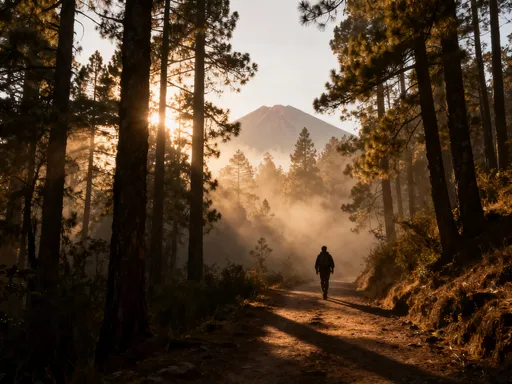
The trail itself is well-marked but rarely crowded, making it ideal for those who prefer solitude. The first section follows a gentle incline along a seasonal stream, passing small chortens and prayer wheels tucked beneath overhanging branches. As elevation increases, the air grows cooler and the forest thins, giving way to alpine meadows dotted with wildflowers in spring and summer. Hikers often report seeing Himalayan marmots darting between boulders and hearing the distant call of the blood pheasant, a shy bird native to these high slopes.
What sets this trek apart is the interplay of natural beauty and cultural heritage. The monastery, though modest in size, radiates a sense of timelessness. Pilgrims still make the climb for spiritual retreats, and on clear mornings, the sound of chanting drifts down the valley like a whisper. For photographers, the soft morning light illuminating the monastery against a backdrop of mist-covered peaks creates unforgettable compositions. Sunrise here, with the valley still wrapped in shadow, is a moment of pure magic—best captured with a wide-angle lens and a tripod.
Most hikers complete the round trip in four to five hours, depending on pace and time spent at the summit. It’s advisable to begin early, wear sturdy footwear, and carry water and light snacks. While the trail is generally safe, sections can be slippery after rain, so caution is warranted. Local guides are available through licensed tour operators and can provide context about the region’s history and ecology. This trek is not just a physical journey—it’s a passage into the heart of Bhutan’s spiritual and natural landscape.
Lungchholing Nature Reserve: A Wild Escape on the Outskirts
Just beyond the northern edge of Thimphu lies the Lungchholing Nature Reserve, a protected area that remains largely off the tourist radar. Spanning over 12 square kilometers, this reserve is a sanctuary for native flora and fauna, with dense forests of rhododendron, bamboo, and hemlock thriving in its moist, temperate climate. Unlike more commercialized parks, Lungchholing retains a sense of wildness—trails are unpaved, signage is minimal, and the only sounds are wind in the canopy and the occasional rustle of movement in the undergrowth.
Spring transforms the reserve into a tapestry of color, as rhododendrons burst into bloom in shades of crimson, pink, and white. These flowers, some of which are endemic to the eastern Himalayas, attract pollinators and create a dappled light effect beneath the trees—ideal for photographers seeking soft, diffused lighting. Birdwatchers may spot the colorful impeyan pheasant, also known as the national bird of Bhutan, or hear the melodic call of the Himalayan cuckoo echoing through the mist.
The reserve’s network of trails ranges from easy loops to more challenging ascents, all offering intimate encounters with nature. One popular route follows a narrow ridge that provides sweeping views of the surrounding hills without requiring strenuous effort. Another descends into a quiet ravine where a small stream feeds moss-covered boulders, creating a scene straight out of a forest fable. Because visitor numbers are low, these paths feel undiscovered, even to seasoned travelers.
Access to Lungchholing requires prior arrangement through a registered guide or local conservation office, as part of Bhutan’s commitment to sustainable tourism. This ensures minimal impact on the ecosystem while supporting community-based stewardship. Visitors are encouraged to stay on marked trails, avoid loud noises, and refrain from collecting plants or disturbing wildlife. For those who respect these guidelines, the reward is a rare kind of peace—a feeling of being truly immersed in a living, breathing forest untouched by time.
The Mo Chu Riverbanks: Serenity in Every Frame
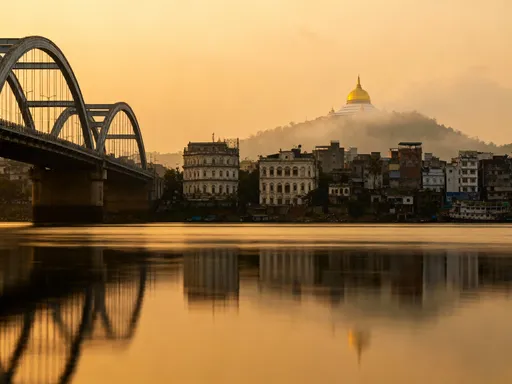
Flowing through the western part of Thimphu, the Mo Chu River—formed by the confluence of the Wang Chhu and Raidak rivers—offers some of the most photogenic riverside scenery in the region. Its glacial waters, fed by distant snowfields, run clear and cold, reflecting the sky and surrounding peaks with mirror-like precision. Willow and poplar trees line much of the riverbank, their leaves turning golden in autumn and creating a striking contrast against the deep blue water.
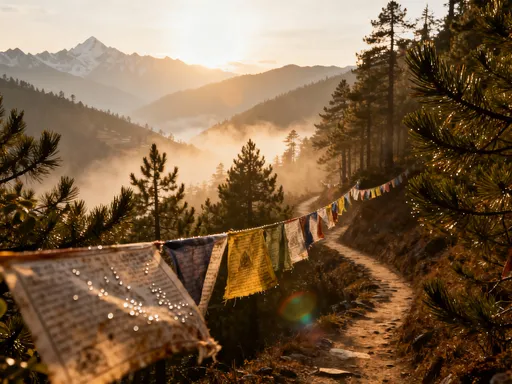
One of the best vantage points is along Norzin Lam, a quiet road that runs parallel to the river just before it meets the main valley. Here, early risers can capture the soft glow of sunrise as it lights up the eastern hills, casting long shadows across the water. Prayer flags strung between trees add splashes of color—red, green, yellow, and blue—fluttering in the breeze like silent blessings. The rhythmic sound of the current, combined with the occasional chime of a distant temple bell, creates a meditative atmosphere perfect for contemplation or quiet photography.
Another ideal location is near the weekend market area, where the river widens and forms small gravel bars. These natural platforms allow photographers to step slightly closer to the water’s edge for balanced compositions that include foreground elements, flowing current, and distant mountain silhouettes. During spring, when snowmelt increases the river’s flow, the scene takes on a dynamic energy—white rapids cutting through smooth stones, framed by budding trees and soft morning mist.
The Mo Chu is not just a visual delight—it’s a place of ritual and daily life. Locals often walk along its banks in the evening, families gather for picnics on weekends, and monks perform water offerings as part of spiritual practice. These quiet moments of connection between people and nature add depth to any photograph. Respecting these traditions means observing from a distance, avoiding disruptions, and never using drones near ceremonial sites. When approached with mindfulness, the Mo Chu becomes more than a subject—it becomes a story of harmony between humanity and the natural world.
Tango Mountain: A Steeper Path to Solitude
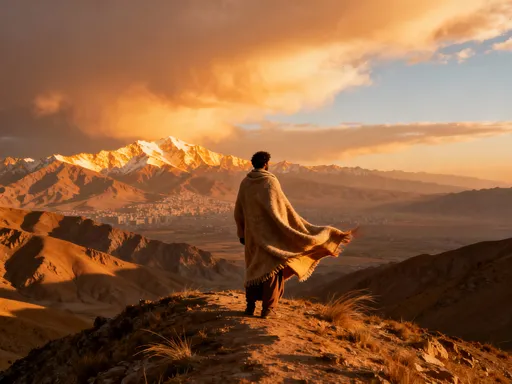
For those seeking a more challenging adventure, the hike to Tango Monastery atop Tango Mountain delivers both physical exertion and profound reward. Located about 6 kilometers north of central Thimphu, the trail begins with a steep stone staircase that climbs relentlessly through thickets of juniper and maple. This is not a casual walk—it demands steady endurance—but the views from the top justify every step. At 3,550 meters, the monastery, a center for Buddhist studies, sits in serene isolation, surrounded by clouds and silence.
The ascent typically takes two to three hours, depending on fitness level. The path is well-maintained but uneven in places, with steps carved directly into the mountainside. Along the way, hikers pass small shrines adorned with marigolds and butter lamps, left by pilgrims seeking merit. In spring, wild primulas and edelweiss bloom along the trail edges, adding delicate color to the rugged terrain. The higher one climbs, the more the city fades from view, replaced by sweeping panoramas of the Thimphu Valley stretching out below.
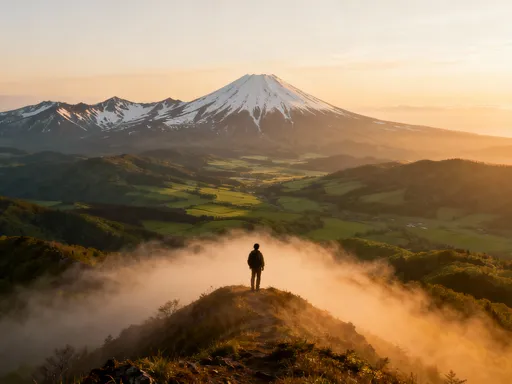
One of the most magical times to visit is just before dawn, when temperature inversions trap clouds in the valley, creating a sea of white beneath the summit. From above, the monastery appears to float in the sky, bathed in the first golden light. This phenomenon is particularly striking for long-exposure photography, where the stillness of the structure contrasts with the movement of the mist. A telephoto lens can isolate details—the curve of the roof, the flutter of a prayer flag—while a wide shot captures the vastness of the landscape.
Because of the altitude and exertion involved, it’s important to pace oneself, stay hydrated, and wear proper hiking boots with ankle support. Layers are essential, as temperatures can drop quickly even on sunny days. While the trail is safe, it’s advisable to hike with a companion or guide, especially for first-time visitors. The sense of solitude at the top is unparalleled—few destinations in Bhutan offer such a powerful combination of natural grandeur and spiritual presence.
Jigme Dorji National Park Access Points Near Thimphu
Extending from the northern outskirts of Thimphu into the high Himalayas, Jigme Dorji National Park is one of Bhutan’s largest and most ecologically diverse protected areas. Covering over 4,000 square kilometers, it ranges from temperate forests to permanent snowfields and is home to species like the snow leopard, Himalayan black bear, and the elusive red panda. While much of the park requires multi-day treks, several accessible entry points allow day visitors to experience its pristine wilderness without extensive preparation.
One such gateway is the route leading toward the village of Dodina, where the park’s southern boundary begins. From here, short trails wind into alpine meadows that bloom with wildflowers in late spring and early summer. The most sought-after bloom is the Bhutan blue poppy (Meconopsis grandis), a rare and striking flower with silken petals in vivid blue and purple. Photographers often wait patiently for weeks to capture it in full bloom, which typically occurs between June and July, depending on snowmelt.
These accessible zones are carefully managed to prevent environmental degradation. Visitors must register at a checkpoint and are usually required to travel with a certified guide, who helps enforce conservation rules. These include prohibitions on littering, straying from trails, collecting plants, or disturbing wildlife. Drones are not permitted without special authorization, and campfires are strictly regulated. These measures ensure that the park remains unspoiled for future generations.
Even a brief visit offers a sense of immersion in true wilderness. The air feels cleaner, the colors more vivid, and the silence more profound. Birdsong echoes across open slopes, and marmots whistle warnings from rocky perches. For families or casual hikers, these entry points provide a safe yet authentic taste of Bhutan’s natural heritage. They also serve as a reminder that conservation is not just a policy—it’s a way of life deeply embedded in Bhutanese culture.
Photography Tips and Responsible Travel in Bhutan
Capturing the beauty of Thimphu’s natural gems requires more than just a good camera—it demands patience, preparation, and respect. The best light occurs during the golden hours: 30 minutes after sunrise and before sunset, when the sun casts a warm, low-angle glow across the valleys and mountains. A tripod is essential for low-light shots, especially in misty conditions or during long exposures of flowing water. For wide landscapes, a wide-angle lens (16–35mm) works best, while a telephoto (70–200mm) can isolate distant peaks or monastery details.
Weather in Thimphu can change rapidly, so dressing in layers is crucial. Mornings may be crisp, afternoons sunny, and evenings cool—even in summer. A waterproof jacket, hat, and gloves are recommended, especially for higher-elevation hikes. Sturdy, broken-in hiking boots with good grip will ensure safety on rocky or slippery trails. Always carry water, snacks, and a basic first-aid kit, particularly on longer treks where help may be distant.
Equally important is cultural sensitivity. Many natural sites are intertwined with religious practice. Always ask permission before photographing monks, pilgrims, or prayer ceremonies. Avoid touching or stepping on religious objects such as prayer flags, chortens, or mani stones. Drones require official permits, which are rarely granted near monasteries or protected areas, so it’s best to plan without relying on aerial shots.
Finally, practice Leave No Trace principles: pack out all trash, stay on designated paths, and avoid picking flowers or disturbing wildlife. Bhutan’s beauty is fragile, preserved by generations of careful stewardship. As travelers, we are guests in this landscape. By moving gently, observing mindfully, and honoring local customs, we help ensure that these hidden gems remain pristine for those who come after us.
Thimphu’s quiet power lies in its untouched natural beauty—accessible, humbling, and deeply photogenic. These spots aren’t just scenic; they reflect Bhutan’s harmony between land and spirit. For those willing to wander just beyond the main roads, the rewards are pure, unfiltered moments of wonder. Go gently, shoot mindfully, and let the mountains speak.