You Won’t Believe These Instagram-Perfect Landmarks in Chittagong
Chittagong isn’t just Bangladesh’s bustling port city—it’s a visual paradise hiding in plain sight. I never expected to find such stunning architecture between the hills and the sea. From golden-domed mosques to colonial-era buildings with serious charm, every corner feels like a curated photo op. If you're chasing skyline views, intricate details, or that perfect golden-hour shot, Chittagong’s landmark buildings will blow you away. Trust me, your feed needs this.
The Unexpected Beauty of Chittagong’s Skyline
Chittagong, often overlooked in favor of Dhaka or Sylhet, reveals a skyline that harmonizes nature and human design in a way few cities manage. Nestled between rolling green hills and the Karnaphuli River, the city's topography plays a crucial role in how its most iconic buildings are seen and experienced. Unlike flat urban centers where structures compete for attention, Chittagong’s elevation changes create natural vantage points, allowing landmarks to emerge dramatically from the landscape. This interplay of water, land, and architecture makes the city a visual feast for travelers with an eye for composition.
What sets Chittagong apart is its layered identity—industrial yet serene, modern yet historic. As Bangladesh’s main seaport, it pulses with economic energy, yet it retains a quiet dignity in its built environment. The skyline is not dominated by glass towers but by structures that reflect centuries of cultural exchange: Mughal, British colonial, Buddhist, and contemporary Bangladeshi design all coexist. This blend gives the city an organic authenticity that feels unforced and deeply rooted.
For visual travelers—those who seek not just to visit but to capture and remember—Chittagong offers a rare combination of accessibility and photogenic depth. The city’s riverside promenades, hilltop temples, and tree-lined avenues frame its buildings in ways that feel almost cinematic. Whether viewed from a moving rickshaw or a quiet park bench, the skyline tells a story of resilience and beauty. It’s a city where even the most ordinary street corner can become extraordinary with the right light and perspective.
The Shah Amanat Bridge: Where Light Dances on Steel
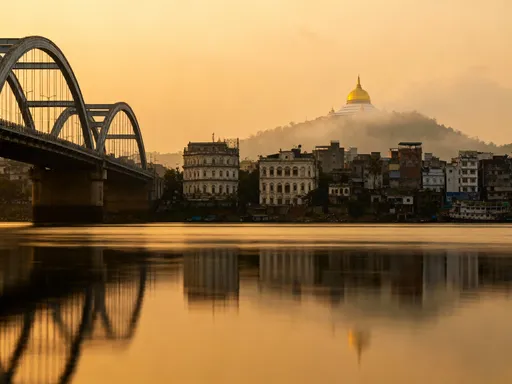
Spanning the Karnaphuli River with graceful symmetry, the Shah Amanat Bridge is one of Chittagong’s most photographed modern marvels. Completed in the early 2010s, this cable-stayed bridge connects the northern and southern parts of the city, serving as both a vital transportation link and a stunning visual centerpiece. By day, its sleek white cables rise like harp strings against the sky; by night, it transforms into a glowing ribbon of light, illuminated by thousands of LEDs that pulse in rhythmic patterns. The effect is mesmerizing—light dancing on steel, reflected in the dark river below.
For photographers, the bridge offers endless creative possibilities. The best views can be found along the riverbanks, particularly near Ethekera Point and the Foy’s Lake Causeway, where wide-angle shots capture both the structure and its reflection. Elevated roads like those near CDA Avenue provide dramatic overhead perspectives, ideal for long-exposure photography. Sunset is a magical time to visit, as the fading gold of the sky blends with the first glow of the bridge’s lights, creating a gradient of warmth across the frame.
To capture the full impact of the bridge at night, use a tripod and experiment with shutter speeds between 10 and 30 seconds. This allows the moving lights of passing vehicles to streak across the cables, adding motion and energy to the image. Even smartphone users can achieve impressive results by using night mode and stabilizing the device on a flat surface. The key is patience—waiting for the right moment when the light patterns align and the river is calm enough to mirror the spectacle above.
The Shrine of Bayazid Bostami: A Spiritual and Visual Gem
Perched on a gentle hill surrounded by lush greenery and tranquil ponds, the Shrine of Bayazid Bostami is one of Chittagong’s most revered and visually striking sites. Dedicated to the 13th-century Persian Sufi saint Bayazid Bastami, the shrine complex is a masterpiece of Islamic architecture, blending Persian, Mughal, and local Bengali influences. Its most iconic feature is the cluster of turquoise domes that shimmer under the sun, contrasted against white marble walls and arched colonnades. The reflective pools around the shrine, home to sacred turtles believed to bring good fortune, add a layer of serenity and symmetry to every photograph.
What makes this site especially powerful for visual storytelling is the harmony between its spiritual significance and aesthetic beauty. Visitors come not only to pay respects but to experience peace, and that atmosphere translates into the quality of the imagery. The play of light on water, the intricate tile work, and the soft shadows cast by the arches create a sense of timelessness. It’s a place where every detail—from the calligraphy on the walls to the fluttering prayer flags—invites closer inspection and thoughtful framing.
When photographing religious sites like Bayazid Bostami, respect is paramount. Always ask permission before photographing individuals, especially those in prayer. Avoid using flash inside the shrine, and dress modestly to blend in with the local visitors. The best time to visit is early morning, just after sunrise, when the light is soft and the crowds are thin. This allows for unobstructed shots of the domes and ponds, with the mist rising gently from the water. Even without people, the shrine feels alive—its beauty both grand and intimate.
The Court Building: Colonial Elegance Meets Local Life
In the heart of Chittagong’s administrative district stands the historic Court Building, a striking remnant of British colonial architecture. Built during the late 19th century, this grand structure features symmetrical wings, tall arched windows, and a central clock tower that still keeps time. The building’s red-brick façade and white stone trim contrast beautifully with the surrounding greenery, creating a sense of order and dignity amidst the city’s bustling energy. It’s not just a functional government space—it’s a living monument to a complex past, preserved with care and still in active use.
What makes the Court Building so compelling for photography is the contrast between its formal design and the vibrant life that unfolds around it. Early in the morning, lawyers in formal attire walk briskly through the gates, while vendors set up tea stalls on the sidewalk. Rickshaws weave through the square, and pigeons scatter at the sound of footsteps. This dynamic interplay between structure and movement adds narrative depth to any image. A wide-angle lens can capture the full façade with the activity in the foreground, while a telephoto lens isolates details like weathered carvings or the hands of the clock against the sky.
For the best lighting, visit between 7:00 and 9:00 a.m., when the sun rises behind the building, illuminating the front without harsh shadows. The soft golden light enhances the texture of the brick and brings out the warm tones in the stone. Because the area is busy later in the day, early access also ensures fewer crowds and a more peaceful atmosphere. While the interior is restricted, the exterior and surrounding plaza offer plenty of material for compelling compositions. The Court Building reminds us that beauty often resides not in isolation, but in the way architecture interacts with daily life.
The World Peace Pagoda: A Golden Crown on the Hills
Rising above the green slopes of Chittagong’s eastern hills, the World Peace Pagoda is a beacon of tranquility and one of the city’s most breathtaking viewpoints. Built through a collaboration between Bangladeshi and Japanese Buddhist communities, this pagoda blends traditional Japanese and Burmese temple architecture with local craftsmanship. Its golden spire, topped with a gilded umbrella, catches the sunlight from miles away, visible even from the city center. The journey to the pagoda—winding roads through tea gardens and forested hills—prepares visitors for the sense of elevation and clarity that awaits at the top.
The panoramic view from the pagoda’s platform is nothing short of spectacular. To the west, the city stretches out like a living map, with the Karnaphuli River cutting through it like a silver thread. To the east, the hills roll into the distance, cloaked in mist during the monsoon season. This vantage point is a favorite among photographers for wide-angle shots that capture both natural and urban landscapes in a single frame. The pagoda itself, with its intricate wood carvings and serene Buddha statues, provides a powerful foreground element, grounding the image in culture and calm.
Sunset is the most popular time to visit, when the sky turns shades of orange and pink, and the city lights begin to twinkle below. The pagoda is beautifully lit from within, casting a warm glow that contrasts with the cooling blue of the evening sky. Because the site attracts visitors during peak hours, arriving an hour before sunset allows time to explore and find the perfect spot. The atmosphere is peaceful, often accompanied by the soft chime of wind bells and the quiet chants of monks. This is not just a photo opportunity—it’s a moment of stillness in a fast-moving world.
Hidden Gems: Lesser-Known Buildings with Big Visual Impact
Beyond the well-known landmarks, Chittagong hides a collection of lesser-visited buildings that offer unique photographic opportunities and a deeper connection to the city’s character. The old Chittagong Railway Station, though no longer the main hub, retains its colonial charm with arched verandas, tiled roofs, and vintage signage. Its quiet platforms and weathered walls tell stories of a bygone era, making it ideal for black-and-white photography or moody, atmospheric shots.
Another hidden gem is the administrative building of the University of Chittagong. Nestled within the sprawling campus, this structure features clean lines, geometric patterns, and shaded courtyards that reflect mid-20th-century modernist design. Surrounded by trees and open lawns, it offers a sense of quiet dignity often missing in the city center. Early morning visits reveal students walking to class, their silhouettes adding life to wide shots of the architecture.
Smaller mosques, like the Andar Killah Mosque near the port area, showcase intricate terracotta work and domes that glow warmly in the late afternoon sun. These sites are rarely crowded, allowing for uninterrupted photography and genuine interaction with local caretakers. When exploring off-the-beaten-path locations, always be mindful of local norms—dress respectfully, avoid trespassing, and ask permission when photographing people. The reward is not just beautiful images, but a more authentic understanding of Chittagong’s layered identity.
Photography Tips & Travel Hacks for the Perfect Shot
Capturing Chittagong’s landmarks at their best requires more than just a good camera—it demands planning, patience, and cultural awareness. The golden hours—shortly after sunrise and before sunset—provide the most flattering light, reducing harsh contrasts and enhancing natural colors. During midday, when the sun is high, seek shaded areas or focus on interior details, textures, and patterns that thrive in bright light.
For equipment, a versatile zoom lens (24-70mm) works well for most situations, while a wide-angle lens (16-35mm) is essential for capturing large structures and expansive views. A tripod is invaluable for low-light and long-exposure shots, especially at the Shah Amanat Bridge or the World Peace Pagoda at night. Smartphone photographers can achieve excellent results by using HDR mode, tapping to focus, and cleaning the lens before shooting. Many modern phones now offer night mode and portrait mode, which can enhance both clarity and depth.
Navigating the city’s traffic and weather can be challenging. The monsoon season (June to September) brings heavy rains and humidity, which can fog lenses and limit visibility. Waterproof bags and lens cloths are essential. For transportation, ride-hailing apps and pre-arranged drivers offer more reliability than random rickshaws for reaching distant sites. Always carry water, sunscreen, and a light umbrella, especially when visiting hilltop locations.
Equally important is ethical photography. Always be respectful of religious spaces, private property, and individual privacy. Avoid photographing people in distress or vulnerable situations. When in doubt, smile, gesture, and ask permission—most locals are welcoming and appreciative of genuine interest. Remember, the goal is not just to collect images, but to honor the places and people that make Chittagong so unforgettable.
Conclusion
Chittagong’s landmark buildings are more than just structures—they’re stories in stone, light, and color. This city proves that beauty thrives where you least expect it. From the glowing cables of the Shah Amanat Bridge to the serene domes of Bayazid Bostami, from the colonial grace of the Court Building to the golden crown of the World Peace Pagoda, each site offers a unique window into Bangladesh’s rich cultural tapestry. Even the lesser-known corners of the city hold visual treasures waiting to be discovered.
With the right perspective, every traveler can capture moments that are not only Instagram-worthy but deeply meaningful. These images do more than decorate a feed—they preserve memory, spark curiosity, and inspire connection. Chittagong invites you to look beyond the surface, to slow down, and to see the extraordinary in the everyday. Whether you’re a seasoned photographer or a casual traveler with a smartphone, the city’s landmarks offer endless opportunities for wonder.
So pack your camera, charge your phone, and let Chittagong surprise you. Let its hills, rivers, and golden domes redefine your view of Bangladesh. This is a city that doesn’t shout for attention—but once you see it, you won’t forget it. Ready to capture a journey that’s as beautiful as it is real?