You Won’t Believe These Secret Viewpoints in Hokkaido
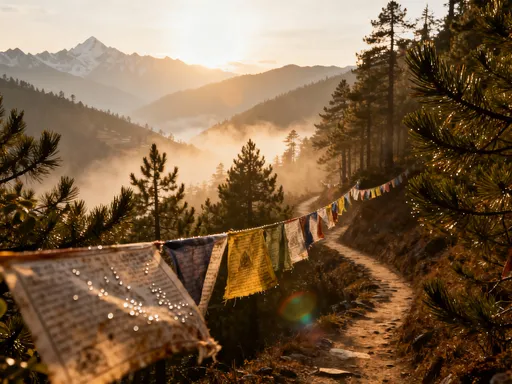
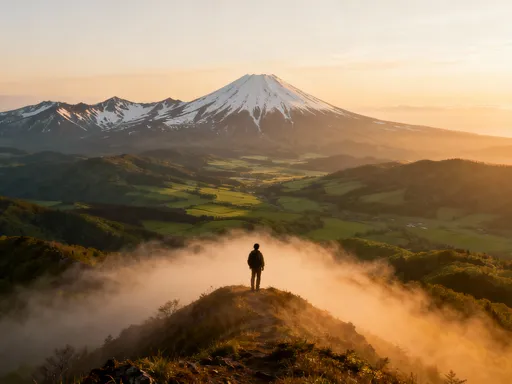
Imagine standing where the mist rolls over emerald valleys, snow-capped peaks pierce the sky, and nature feels untouched. I never expected Hokkaido’s landscapes to hit so hard—each viewpoint more cinematic than the last. From mountain ridges to quiet lakeside clearings, discovering these spots changed how I see Japan. This is about real moments, raw beauty, and the joy of finding places that take your breath away—quietly, powerfully, completely.
The Magic of Hokkaido’s Untamed Landscapes
Hokkaido, Japan’s northernmost island, is a realm where nature unfolds in grand, unfiltered strokes. Unlike the bustling streets of Tokyo or the temple-lined alleys of Kyoto, Hokkaido offers vast open spaces shaped by volcanic forces, ancient forests, and seasonal extremes. Here, winter blankets the land in deep snow for months, while summer brings lush greenery and fields of blooming lavender. This dramatic contrast is what makes Hokkaido’s scenery so emotionally resonant. The island’s relative remoteness preserves its wild character, yet modern infrastructure ensures that even secluded spots remain accessible to those willing to explore.
What sets Hokkaido apart is not just its beauty, but the way it reveals itself gradually. The best viewpoints are often found beyond the first overlook or the most advertised trailhead. They appear after a quiet drive down a rural road, a short detour at dawn, or a patient wait for the fog to lift. These are not destinations you rush to—they are experiences you earn through intention and presence. Travelers who seek them discover more than scenery; they find a sense of stillness, a deeper connection to the rhythms of the natural world.
The island’s geography plays a crucial role in shaping these moments. Stretching across latitudes similar to those of northern Europe, Hokkaido experiences long daylight hours in summer and profound silence in winter. Its national parks cover nearly 20% of the land, protecting ecosystems that support brown bears, red-crowned cranes, and alpine flora found nowhere else in Japan. This preservation effort means that even popular viewpoints retain a sense of authenticity. There is no artificial lighting on mountain ridges, no overcrowded platforms—just the raw, unembellished truth of the landscape.
Why Viewpoints Matter in Travel Experiences
A scenic viewpoint is more than a place to take a photograph. It is a moment of pause, a break in the rhythm of travel where the mind catches up with the eyes. Studies in environmental psychology suggest that panoramic views from elevated positions trigger a sense of awe—a cognitive response linked to increased well-being, reduced stress, and enhanced memory retention. When travelers stand at a high vantage point and gaze across a sweeping valley or an endless horizon, they are not just seeing a landscape; they are processing a feeling of scale, perspective, and connection.
Many visitors return from Hokkaido remembering not the meals they ate or the hotels they stayed in, but the moment the sun broke through the clouds over a frozen lake, or the first glimpse of a distant peak emerging from morning mist. These are the memories that linger, often defining the entire journey. A single view can become symbolic—a mental anchor for the entire trip. This is why choosing the right viewpoints matters. It is not about ticking off famous spots, but about curating experiences that resonate on a personal level.
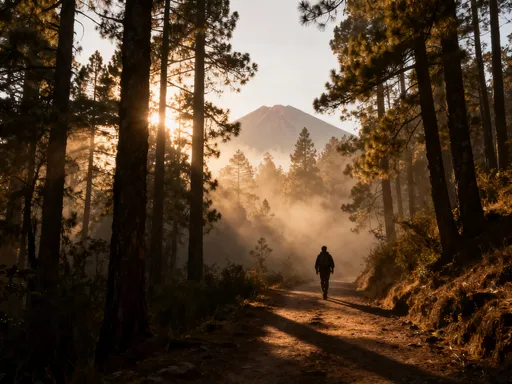
Moreover, great viewpoints encourage mindfulness. They slow us down. Instead of rushing from attraction to attraction, we find ourselves standing still, absorbing details: the way light shifts across a mountainside, the sound of wind through pine trees, the crispness of the air at altitude. In a world dominated by digital distractions, these moments of presence are rare and valuable. They remind us that travel is not just about movement, but about meaning.
For families, especially those with older children or multi-generational groups, these shared experiences can be particularly powerful. A sunrise viewed together from a mountain summit, a quiet moment by a reflective lake—these are the scenes that build lasting bonds. Hokkaido, with its mix of accessible trails and awe-inspiring scenery, offers countless opportunities for such moments, making it an ideal destination for thoughtful, emotionally enriching travel.
Daisetsuzan National Park: Peaks That Touch the Sky
Spanning over 2,200 square kilometers, Daisetsuzan National Park is Japan’s largest protected wilderness and the crown jewel of Hokkaido’s mountain landscapes. Often referred to as the “Roof of Hokkaido,” this volcanic range includes Asahidake, the island’s highest peak at 2,291 meters. The park’s rugged terrain, shaped by tectonic activity and glacial erosion, offers some of the most dramatic viewpoints in the country. What makes it exceptional is the combination of accessibility and wildness—visitors can reach high-altitude vistas without needing technical climbing skills, yet still feel far from civilization.
One of the most rewarding experiences in Daisetsuzan is the sunrise view from Kurodake. While the full hike to the summit takes several hours, most travelers take the Asahidake Ropeway partway up, reducing the ascent to a manageable two-hour climb. The cable car begins its journey from the base station near Sounkyo Gorge, winding through alpine forests before depositing passengers above the tree line. From there, the trail follows a well-marked path across volcanic rock and snowfields, depending on the season. Those who start early are rewarded with golden light spilling over the surrounding peaks, casting long shadows across the valleys below.
Weather is a critical factor in planning a visit. Clear days are not guaranteed, and fog can obscure views even at the summit. However, this unpredictability adds to the sense of adventure. On rare occasions, when conditions align, the panorama includes distant peaks like Tokachidake and the Ishikari Plain stretching toward the Sea of Japan. The air at this elevation is noticeably thinner and colder, even in summer, so proper layering is essential. Park authorities provide real-time trail updates at visitor centers, and checking these before departure is strongly advised.
For those seeking a less strenuous option, the observation deck near the top of the ropeway offers a sweeping view of Asahidake’s fumaroles and the surrounding caldera. The area around the summit is marked by geothermal activity, with steam rising from cracks in the rock and sulfur-tinted pools dotting the landscape. Interpretive signs explain the volcanic processes at work, adding an educational dimension to the experience. Whether you hike to the top or enjoy the view from the mid-station, Daisetsuzan delivers a powerful sense of elevation—both physical and emotional.
Lake Akan and the Eastern Highlands: Quiet Perspectives
While Daisetsuzan commands attention with its vertical drama, the eastern highlands of Hokkaido offer a different kind of beauty—one defined by stillness, reflection, and subtle color. At the heart of this region is Lake Akan, a caldera lake renowned for its clear waters and the rare marimo, spherical colonies of filamentous green algae that grow naturally only in a few places in the world. The lake’s shoreline is dotted with observation points, but the most memorable views come from quieter spots just beyond the main tourist paths.
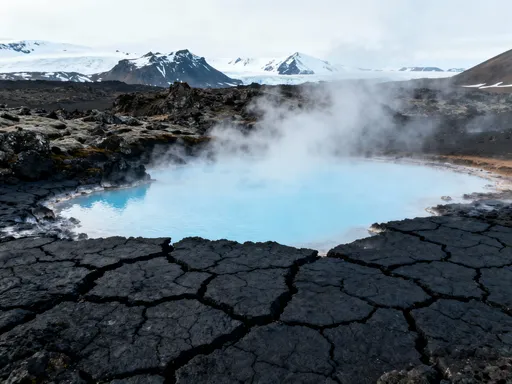
One such location is the trail leading to Onneto, also known as “Hell Valley Lake” due to its sulfurous springs. The 30-minute walk from the parking area follows a wooden boardwalk through dense forest, ending at a fenced overlook that frames the lake perfectly. Onneto’s water glows an intense emerald green, especially in the morning light, a result of mineral deposits and the depth of the lake. The contrast between the vibrant water and the dark volcanic rock creates a scene that feels almost otherworldly. Because the trail is slightly off the main route, it remains less crowded, allowing for a more contemplative experience.
Another hidden gem is the stretch of Route 241 that runs along the southern edge of Lake Akan. At several unmarked pull-offs, drivers can stop to take in uninterrupted views of the lake and the mountains beyond. These spots are especially beautiful at dawn, when mist rises from the water and the first light catches the peaks. There are no facilities here—just gravel turnouts and a sense of solitude. Bringing a thermos of tea or coffee enhances the experience, turning a brief stop into a quiet ritual.
The surrounding area is also home to Ainu cultural sites, including the Ainu Kotan village near the lake’s northern shore. While the viewpoints here are more cultural than scenic, they offer a deeper understanding of the region’s indigenous heritage. Watching a traditional dance performance or browsing handcrafted goods adds emotional depth to the journey, reminding visitors that landscape and culture are intertwined. The combination of natural beauty and cultural richness makes the eastern highlands a profoundly moving destination.
Shiretoko Peninsula: Where Wilderness Meets the Sea
If Daisetsuzan is Hokkaido’s mountain heart and the eastern highlands its tranquil soul, then Shiretoko Peninsula is its wild frontier. A UNESCO World Heritage Site since 2005, Shiretoko extends 70 kilometers into the Sea of Okhotsk and is one of the last true wilderness areas in Japan. Its inaccessibility—there are no roads crossing the peninsula—has preserved its ecosystems in near-pristine condition. This isolation is precisely what makes its viewpoints so powerful: they feel undiscovered, untamed, and deeply authentic.
The most iconic vantage point in Shiretoko is the summit of Mount Rausu, the peninsula’s highest peak at 1,661 meters. Reaching the top requires a full-day hike with an early start, but the effort is rewarded with a 360-degree panorama that includes the Pacific Ocean to the east, the Sea of Okhotsk to the north, and the forested spine of the peninsula stretching behind. On exceptionally clear days, it is possible to see Kunashiri Island in the distance, though this view carries no political implication—it is simply a natural observation from elevation.
For those not prepared for a summit climb, the Shiretoko Goko Lakes offer a more accessible alternative. A series of five interconnected ponds accessible via a well-maintained boardwalk, the lakes reflect the surrounding forest with mirror-like clarity. Each pond has its own character, from the open water of Lake Onneto to the densely shaded stretches of Lake Shokanbetsu. Observation decks along the trail provide ideal framing for photography, especially in autumn when the foliage turns brilliant shades of red and gold.
Another unforgettable experience is the ferry ride from Rausu to Kaminokuni, which offers coastal viewpoints impossible to reach by land. As the boat navigates the rugged shoreline, passengers can see sea cliffs, waterfalls cascading directly into the ocean, and if lucky, marine life such as orcas or Steller’s sea eagles. The journey itself becomes a moving viewpoint, constantly shifting with the angle of the sun and the motion of the waves. These maritime perspectives remind us that Hokkaido’s beauty is not confined to land—it extends into the waters that surround it.
Due to its protected status, access to certain areas of Shiretoko is regulated. Guided tours are required for some trails, particularly those known for bear activity. Winter visits are limited due to heavy snowfall, but the shoulder seasons of late spring and early autumn offer the best balance of accessibility and scenic variety. The peninsula’s rawness is not for everyone, but for those who appreciate untouched nature, it is unparalleled.
Biei and Furano: Rolling Hills and Endless Horizons
Central Hokkaido unfolds like a painted scroll, where farmland and nature merge into a patchwork of color and texture. The towns of Biei and Furano are famous for this aesthetic, drawing visitors year-round with their gently rolling hills, flower fields, and rustic farmsteads. While often associated with lavender season in July, the region’s charm extends far beyond summer. In spring, the fields are a soft green; in autumn, they turn golden; in winter, they are blanketed in snow, creating a monochrome landscape of quiet beauty.
One of the most photographed spots is the “Hill of Silver,” a gentle slope covered in silver grass that sways in the wind like waves. Located just off Route 237, it is easily accessible and especially stunning at sunrise or sunset, when the low light enhances the texture of the grass. Nearby, Farm Tomita offers a more structured experience, with terraced flower fields arranged in vibrant patterns. During peak bloom, the lavender, poppies, and cosmos create a kaleidoscope of color visible from the farm’s upper observation deck.
But the true magic of Biei lies in its lesser-known roads. The “Panorama Road” and “Patchwork Road” are scenic drives that wind through the countryside, offering constantly changing views. Pull-offs at intersections like the “Seven Stars Tree” or the “Potato Field Observation Area” provide spontaneous photo opportunities. These spots are not heavily promoted, so they remain relatively quiet. Driving at golden hour—shortly after sunrise or before sunset—adds a warm, diffused light that enhances the depth and dimension of the landscape.
Local farmers often welcome respectful visitors, and some offer seasonal produce for sale at roadside stands. Buying a jar of honey or a bundle of fresh vegetables connects the experience to the people who live and work here. This blend of natural beauty and rural life gives Biei and Furano a warmth that pure wilderness areas sometimes lack. It is a place where beauty is cultivated, not just preserved, and where travelers can feel both inspired and at ease.
Practical Tips for Maximizing Your Viewpoint Visits
Discovering Hokkaido’s best viewpoints requires more than a good map—it demands preparation, timing, and a respectful approach to nature. The island’s weather is notoriously changeable, with sudden storms, fog, and temperature drops even in summer. Checking the local forecast and road conditions before setting out is essential. Websites maintained by Hokkaido’s regional tourism associations provide up-to-date information on trail closures, avalanche risks, and ferry schedules, especially in remote areas like Shiretoko.
Timing your visit can make a significant difference. Popular spots like Farm Tomita or the Asahidake Ropeway can become crowded by mid-morning, especially during peak seasons. Arriving early—ideally by 7:00 or 8:00 a.m.—ensures quieter conditions and better lighting for photography. Similarly, weekdays are generally less busy than weekends. For those seeking solitude, visiting during the shoulder months of May, September, or October offers pleasant weather and fewer tourists.
Packing the right gear enhances comfort and safety. Even on short stops, a lightweight backpack with water, snacks, a windproof jacket, and extra layers is advisable. Sturdy walking shoes are necessary for trails, and trekking poles can help on uneven terrain. A small tripod can be useful for early morning or dusk photography, though care should be taken not to obstruct paths or other visitors.
Equally important is practicing responsible tourism. Staying on marked trails prevents soil erosion and protects fragile alpine plants. Littering is rare in Hokkaido, but bringing a small bag to carry out trash reinforces good habits. Respecting wildlife means observing from a distance and never feeding animals. In bear country, carrying a bell and making noise while hiking is a common precaution.
Finally, engaging with local communities enriches the experience. Tourist information centers in towns like Asahikawa, Kushiro, and Wakkanai offer personalized advice and maps. Staff often know about recent sightings, hidden trails, or local events that aren’t listed online. A simple conversation can lead to a more meaningful journey—one shaped not just by scenery, but by human connection.
Beyond the Postcard – Discovering Hokkaido’s Soul
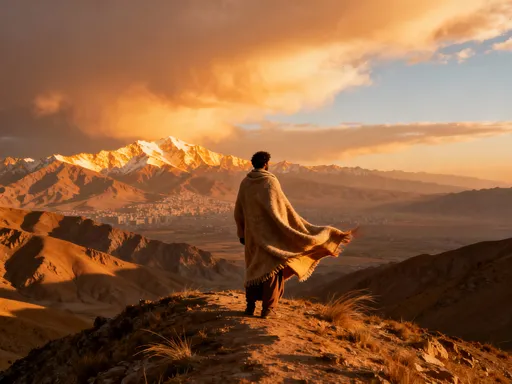
The most breathtaking views in Hokkaido are not always the ones featured in travel brochures. They are the moments that happen unexpectedly: a deer stepping out of the mist near Lake Akan, the first ray of sunlight hitting the peak of Asahidake, the silence of a snow-covered field in Biei at dawn. These are not just sights to see—they are feelings to carry. They remind us that travel, at its best, is not about collecting destinations, but about deepening our relationship with the world.
Hokkaido invites us to slow down, to look closer, to wait. Its landscapes do not perform on demand; they reveal themselves to those who are patient, curious, and respectful. Whether standing on a mountain ridge, gazing across a quiet lake, or driving through golden fields, the experience is the same: a sense of awe, humility, and quiet joy. These emotions do not fade when the trip ends—they linger, shaping how we see not just Japan, but nature, and ourselves.
So go beyond the postcard. Step off the main path. Let Hokkaido unfold at its own pace. The island’s soul is not in its most famous landmarks, but in the quiet spaces between them—in the mist, the light, the stillness. And when you find that perfect viewpoint, take a moment not just to photograph it, but to feel it. Because the best views are not seen with the eyes alone—they are felt with the heart.