This Volcanic Wonderland Blew My Mind – You’ve Gotta See Iceland’s Blue Lagoon Terrain
Have you ever soaked in geothermal waters surrounded by lava fields? The Blue Lagoon in Iceland isn’t just a spa—it’s a surreal encounter with Earth’s raw power. I never expected that healing waters could emerge from such jagged, moon-like terrain. This isn’t your typical resort; it’s a geological marvel where steam rises from black rock, and the landscape feels otherworldly. Let me take you through why this unique terrain makes the experience unforgettable. The contrast between life-giving warmth and volcanic desolation creates a powerful emotional resonance—one that stays long after you’ve dried off and left the site. For travelers seeking more than luxury, this is a destination where nature herself is the designer, and every detail tells a story millions of years in the making.
Arrival: First Steps Into a Volcanic Dream
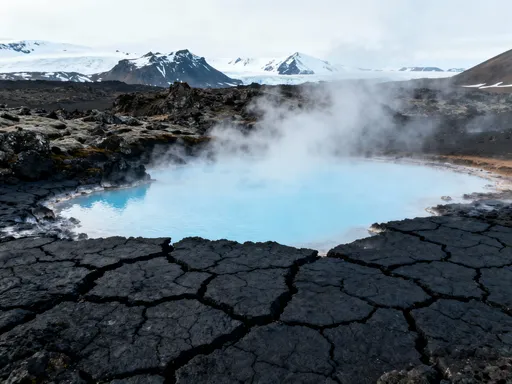
The journey to the Blue Lagoon begins long before you step into the water. As your car or shuttle approaches the Reykjanes Peninsula, the landscape shifts dramatically. Gone are the green pastures and rolling hills of southern Iceland. In their place stretches an endless field of black, cracked lava rock—uneven, sharp, and strangely beautiful. It looks like the surface of another planet, shaped by fire and time. When you finally step out of the vehicle, the air carries a faint mineral scent, a subtle hint of sulfur that reminds you of Earth’s inner workings. Above, mist curls upward from turquoise pools nestled within the rock, glowing faintly under Iceland’s soft, diffused light.
This first impression is intentional, though not man-made. The terrain itself sets the tone for the entire experience. There are no lush gardens or tropical palms here—only the raw, unfiltered result of volcanic forces. The lagoon was not carved by architects but formed naturally when superheated seawater, rising from deep beneath the surface, found its way through porous basalt rock. Over time, this runoff collected in low-lying areas, creating milky-blue pools rich in silica and minerals. The surrounding lava field, known as the Svartsengi lava field, dates back over 4,000 years, the result of a fissure eruption that sent rivers of molten rock across the region. Today, that same geothermal activity continues to feed the lagoon, making it a living, evolving landscape.
As visitors walk toward the entrance, they traverse pathways built directly into the lava. These elevated walkways protect the fragile crust while offering panoramic views of the main pool. The contrast is striking: smooth, warm water on one side, jagged, ancient rock on the other. Steam rises in slow curls, especially in the early morning or late evening, when the temperature difference between water and air is greatest. This natural spectacle—water born from fire, thriving in a place that looks barren—creates a sense of wonder that few destinations can match. It’s not just about relaxation; it’s about bearing witness to nature’s ability to transform destruction into beauty.
The Science Behind the Scene: How Lava Created a Luxury Escape
Beneath the surface of the Blue Lagoon lies a complex geological process that turns volcanic activity into a world-renowned wellness experience. The water you soak in begins as seawater, drawn from the nearby Atlantic Ocean and pushed deep underground by natural pressure. There, it meets intense heat from magma chambers located several kilometers below the Earth’s crust. This heat, often exceeding 240°C (464°F), warms the water and triggers a series of chemical reactions as it filters through layers of basalt rock.
As the heated water rises, it picks up dissolved minerals—especially silica, calcium, and sodium chloride. When it reaches the surface, the pressure drops, causing silica to precipitate out of the water and form a fine, white mud. This is the same substance that gives the lagoon its signature milky-blue color and silky texture. The high mineral content also makes the water buoyant, allowing visitors to float effortlessly, almost as if suspended in liquid silk. The entire system functions like a natural filtration and heating plant, powered entirely by renewable geothermal energy.
Adjacent to the lagoon is the Svartsengi Geothermal Power Station, one of Iceland’s most important energy facilities. This plant harnesses the same underground heat to generate electricity and provide hot water for thousands of homes in the region. The water used in the Blue Lagoon is a byproduct of this process—after being used for power generation, it is cooled slightly and directed into the lagoon. This sustainable reuse of geothermal runoff is a model of environmental efficiency, demonstrating how human innovation can coexist with natural systems. The entire operation emits minimal carbon, aligning with Iceland’s commitment to renewable energy and ecological responsibility.
What makes this system even more remarkable is its self-sustaining nature. The lagoon is continuously replenished, with over 1.1 million liters of fresh geothermal water flowing in every hour. This constant circulation ensures cleanliness and thermal stability, maintaining an ideal soaking temperature between 37°C and 39°C (98°F to 102°F). Unlike artificial spas that rely on chemical treatments, the Blue Lagoon’s water is naturally sterile due to its high temperature and mineral composition. The result is a rare fusion of science and serenity—a place where geology doesn’t just support the experience; it is the experience.
Walking the Edges: A Closer Look at the Lagoon’s Unique Ground
One of the most memorable aspects of visiting the Blue Lagoon is the sensation of walking across its volcanic terrain. The ground is unlike anything found in traditional resorts. Beneath your feet lies a crust of solidified lava, brittle and porous, with a texture that resembles dark sponge cake. It crumbles slightly under pressure, reminding you that this is not a manufactured surface but a real geological formation. Staff members gently remind guests to stay on marked pathways, not only for safety but to protect the delicate structure of the lava field. Even minor foot traffic can cause erosion or collapse in certain areas, especially where steam vents release heat from below.
As you move along the walkways, you begin to notice small details that bring the landscape to life. Thin cracks in the rock emit wisps of steam, warm to the touch, revealing the hidden energy still pulsing beneath. In sheltered crevices, hardy algae thrive, their green hues standing out against the monochrome rock. These micro-ecosystems are possible because of the constant warmth and moisture, creating pockets of life in an otherwise harsh environment. Occasionally, a sudden hiss draws attention to a new vent opening, a reminder that this is an active geothermal zone, not a static exhibit.
The design of the pathways and viewing areas reflects a deep respect for the natural environment. Rather than flattening the land or covering it with concrete, architects have worked around the existing lava formations, weaving walkways through boulders and around natural depressions. Handrails are minimal and discreet, often embedded into the rock itself. Lighting is low and warm, designed to complement the natural glow of the water without disrupting the night sky. Every element serves both function and preservation, ensuring that human presence enhances rather than detracts from the site’s authenticity.
For many visitors, especially those accustomed to manicured gardens or polished tiles, this raw terrain is a revelation. It invites a different kind of mindfulness—one that acknowledges the power and fragility of the Earth. Walking here feels like stepping into a primordial world, where fire once ruled and water slowly tamed it. The experience is humbling, grounding, and strangely comforting, as if the planet itself is offering a space for renewal.
Inside the Water: Floating on a Geological Anomaly
Entering the Blue Lagoon is a sensory transformation. The first touch of water is warm, almost soothingly so, especially if you’ve arrived on a cool Icelandic day. As you wade deeper, the buoyancy becomes noticeable—your body feels lighter, supported by the dense mineral content. The water’s opacity adds to the surreal quality; you can’t see your feet, only the shifting blue-gray hues beneath the surface. Around you, the black lava walls rise like sentinels, framing the pool in stark contrast to the soft, milky water.
The high concentration of silica and dissolved salts is responsible for this unique physical experience. Silica, in particular, gives the water its smooth, almost creamy texture. Many visitors describe the sensation as floating in liquid silk. This same mineral is used in skincare products for its ability to absorb excess oil and improve skin elasticity. Regular soakers often report improvements in conditions like psoriasis and eczema, though individual results vary. While the lagoon is not a medical treatment, the therapeutic benefits of warm, mineral-rich water are well documented in hydrotherapy traditions around the world.
What truly sets the experience apart is the interplay between environment and emotion. The cold air on your face, the warm water embracing your body, the steam rising around you—these contrasts create a meditative state. The jagged rock formations provide natural nooks and corners, offering privacy without isolation. Some areas are more open, ideal for socializing, while others are tucked away, perfect for quiet reflection. The terrain dictates the rhythm of movement, encouraging slow, intentional immersion rather than hurried activity.
For many women, especially those in the 30–55 age range balancing family, career, and personal well-being, this kind of environment is deeply restorative. It’s not just about physical relaxation; it’s about reclaiming space for oneself. The absence of loud music, flashing lights, or crowded decks allows for genuine disconnection. Here, time slows. Conversations become softer. Thoughts settle. The lagoon doesn’t offer distractions—it offers presence. And in a world that rarely allows stillness, that is a rare luxury.
Beyond the Main Pool: Hidden Corners Shaped by Nature
While the main lagoon is the centerpiece, the true magic often lies in the quieter, less-traveled areas. Scattered throughout the site are smaller satellite pools, each nestled within natural lava formations. Some are heated to slightly different temperatures, offering variety for those who want to adjust their experience. Others are designed for specific activities—like the in-water massage benches, where jets mimic the pressure of a professional therapist’s hands. These features are not imposed on the landscape but integrated into it, built into crevices and hollows formed by ancient eruptions.
One of the most peaceful spots is a secluded bench carved directly into a lava wall. Surrounded by rock on three sides, it offers a sense of enclosure and privacy. Steam rises from a nearby vent, creating a warm microclimate even on chilly days. Another favorite is a narrow channel between two boulders, where the water flows slightly faster, providing a gentle hydro-massage for the legs and lower back. These areas are not advertised on maps but discovered through exploration, rewarding those who take the time to wander slowly and observe.
The layout of the entire complex follows the natural topography rather than a grid or symmetrical design. Paths curve organically, pools appear unexpectedly, and seating emerges from the rock like natural furniture. This lack of rigid planning enhances the feeling of discovery. It’s easy to believe you’ve found a secret spot, even though thousands have sat in the same place before you. The terrain ensures that no two visits are exactly alike—seasonal changes, water levels, and steam patterns all shift the experience subtly over time.
For families, couples, or solo travelers, these hidden corners offer moments of intimacy and connection. Parents can find quiet spots to talk while children play in designated areas. Friends can share stories in warm alcoves without raising their voices. Solo visitors can sit in silence, listening to the soft lap of water against rock. The environment supports all kinds of interactions, yet never demands them. It simply provides space—space to breathe, to reflect, to be.
Respect the Land: Sustainability and Terrain Preservation Efforts
The Blue Lagoon’s beauty is fragile, and preserving it requires constant care. The silica-rich deposits that make the water so special are also delicate. When exposed to air, they harden into a chalky crust that can take years to regenerate if damaged. For this reason, visitors are asked not to walk on dry silica areas or remove rocks as souvenirs. Signs are posted discreetly, and staff members offer gentle reminders, emphasizing that every action has an impact on this living landscape.
The facility has implemented a range of sustainability practices to minimize its environmental footprint. Water is continuously recycled and filtered, with overflow directed to nearby reclamation fields where it slowly seeps back into the ground. Buildings are constructed with locally sourced materials and designed to blend into the terrain, using dark tones and angular shapes that echo the surrounding lava. Solar panels supplement energy needs, and waste is carefully sorted and processed to reduce landfill use.
Perhaps most importantly, the number of daily visitors is carefully managed to prevent overcrowding. Reservations are required, and entry is staggered to maintain comfort and safety. This not only improves the guest experience but also reduces strain on the infrastructure and environment. By limiting access, the Blue Lagoon ensures that it remains a place of tranquility rather than a tourist attraction.
Education is also a key part of the conservation effort. Informational displays throughout the site explain the geology, ecology, and sustainability practices in simple, accessible language. Children especially respond to interactive exhibits that show how heat from deep within the Earth becomes warm water above ground. These lessons foster a sense of stewardship, encouraging visitors to protect natural wonders wherever they travel. The message is clear: luxury does not have to come at the expense of the planet. In fact, the most meaningful experiences often arise from respecting, rather than reshaping, the natural world.
Why This Terrain Changes Everything About Travel
The Blue Lagoon challenges conventional ideas of what a luxury destination should be. It has no white-sand beaches, no palm trees, no five-star restaurants in the traditional sense. And yet, it consistently ranks among the world’s most desired travel experiences. Why? Because it offers something deeper than comfort—it offers connection. Connection to the Earth, to natural processes, to the slow, powerful rhythms of geology. In a time when many escapes feel manufactured, this one feels authentic.
For women who have spent years caring for others—children, parents, partners, colleagues—this kind of authenticity is deeply nourishing. It’s not about escaping reality, but re-engaging with it on a more elemental level. The volcanic terrain reminds us that strength and beauty can emerge from disruption. That healing can rise from what once seemed destructive. That even in barren-looking places, life finds a way.
Traveling to places shaped by nature—glaciers, deserts, coral reefs, geysers—invites a different kind of awareness. It shifts the focus from consumption to contemplation. Instead of asking “What can I get here?” we begin to ask “What can I learn?” The Blue Lagoon doesn’t just relax the body; it expands the mind. It shows us that the most extraordinary experiences are not built, but born.
So if you’re planning your next trip, consider destinations where the land tells a story. Where the ground beneath your feet has a history. Where the water has a source deeper than a pipeline. Let yourself be amazed by what nature, left to its own devices, can create. The Blue Lagoon is not just a place to visit. It’s a reminder that Earth’s artistry is always at work—if only we take the time to see it.