You Won’t Believe These Instagram-Worthy Bites in San Francisco
San Francisco isn’t just golden bridges and rolling fog—it’s a flavor explosion waiting to be captured. I hit the streets hunting dishes as beautiful as they are delicious, from colorful burritos wrapped like presents to matcha lattes swirled to perfection. Every bite tells a story, and every plate is a photo op. If your feed needs more zest—and your stomach craves authenticity—this city’s food scene will blow your mind. More than just a destination for tech and trolleys, San Francisco is a culinary canvas where tradition meets innovation, and where every meal feels like a celebration of color, culture, and craftsmanship. From the sizzle of street grills to the quiet elegance of sun-drenched cafés, the city offers a feast for both the palate and the lens. This is food worth seeing, savoring, and sharing.
The Visual Feast of San Francisco’s Street Food
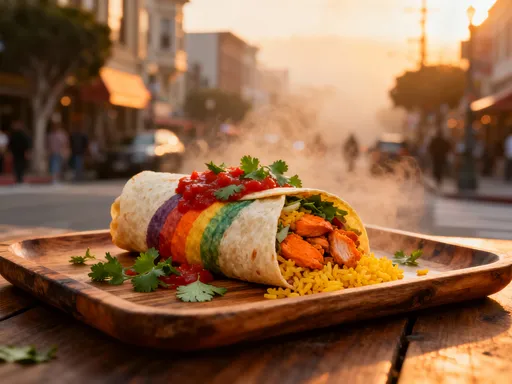
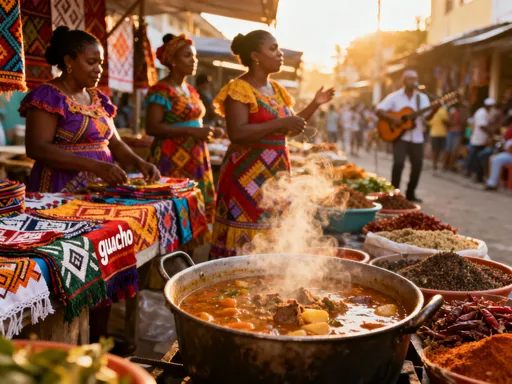
Walking through neighborhoods like the Mission District feels like stepping into a living food mural. The air hums with cumin, cilantro, and charred corn, drawing you toward taquerias where cooks work behind glass counters like artists at an easel. Here, the humble burrito transforms into a vibrant masterpiece—stuffed with ruby-red salsa, golden rice, emerald guacamole, and tender chunks of marinated meat or spiced vegetables. Wrapped tightly in foil or clear parchment, these handheld feasts glisten under the afternoon sun, their layers peeking out like a rainbow revealed mid-unwrapping. The visual appeal is no accident; it’s born from generations of tradition, where fresh ingredients and handmade tortillas are non-negotiable.
What makes these street foods so photogenic is their authenticity. There’s no artificial coloring or stylized plating—just real food, prepared with pride. The bright hues come from ripe tomatoes, fresh herbs, and naturally dyed corn masa. A tamale steamed in corn husk opens like a gift, revealing a soft, golden interior dusted with cheese and chili. Tostadas piled high with shredded cabbage, crema, and grilled fish look like edible sculptures, their textures and colors layered with instinctive precision. Even the setting enhances the shot: weathered brick walls, hand-painted signs, and the occasional stray cat weaving between tables add character to every frame.
The culture behind the cuisine deepens the experience. In the Mission, many taquerias are family-run, some operating for decades. The cooks move with rhythm and grace, assembling each order with care. This isn’t fast food—it’s soul food, served quickly. When you photograph a burrito here, you’re not just capturing a meal; you’re documenting a legacy. The warmth of the tortilla, the steam rising from the fillings, the sprinkle of lime—these details tell a story of community, resilience, and flavor. And in an age where so much feels curated, there’s something profoundly satisfying about food that’s both beautiful and honest.
Farmers’ Markets: Where Freshness Meets Aesthetic
If San Francisco’s street food dazzles with boldness, its farmers’ markets enchant with elegance. The Ferry Building Marketplace, anchored by the bay and bustling every Saturday, is a temple of taste and texture. Rows of wooden stalls display produce like still-life paintings: heirloom tomatoes in shades of amber, plum, and burgundy; bunches of rainbow chard with stems like stained glass; and golden honeycomb glistening under glass domes. Each item is arranged with care, not for show alone, but because beauty here reflects quality. When fruits and vegetables grow in nutrient-rich soil and ripen under ideal conditions, their natural colors deepen, their shapes become more defined—making them as pleasing to the eye as they are to the palate.
One of the most striking aspects of these markets is their seasonal rhythm. In spring, stalls overflow with slender asparagus and tender pea shoots. Summer brings plump stone fruits and fragrant basil. Fall offers pumpkins with perfect curves and apples so shiny they look waxed. Winter reveals crisp persimmons and deep-green kale. This rotation ensures that every visit feels fresh, both literally and visually. Photographers and food lovers alike return again and again, knowing that the palette of the city’s harvest is always shifting. The lighting, often soft and diffused under canvas tents, enhances the natural glow of fresh produce, making even a simple bunch of carrots look radiant.
What sets these markets apart is the connection between grower and consumer. Farmers stand behind their harvest, ready to explain how their strawberries were pollinated by local bees or how their olive oil is pressed within 24 hours of harvest. This transparency builds trust—and it shows in the food. When ingredients are this fresh, chefs don’t need to overcomplicate dishes. A simple salad of sliced figs, arugula, and aged cheese becomes a study in contrast: deep purple against bright green, creamy against peppery. Served on a rustic wooden board or a hand-thrown ceramic plate, it’s a dish that invites both tasting and photographing.
Local pop-ups and neighborhood markets extend this experience beyond the Ferry Building. In Hayes Valley, a small Sunday market draws crowds with artisan breads, wildflower bouquets, and jars of lavender honey. In the Outer Sunset, a weekend farmers’ market features Pacific-grown seaweed, organic mushrooms, and fresh bay shrimp. These gatherings aren’t just about shopping—they’re community events where neighbors meet, dogs sniff around, and children sample berries straight from the box. The atmosphere is relaxed, joyful, and effortlessly photogenic. A close-up of hands selecting peaches, a wide shot of market canopies in the morning light—these moments capture the heart of San Francisco’s food culture.
Hidden Cafés with Insta-Perfect Interiors
Scattered across San Francisco’s quieter blocks are cafés that feel like secrets—places discovered by chance and remembered forever. Tucked into alleyways, perched on hillsides, or nestled between bookstores and florists, these coffee spots combine minimalist design with warm hospitality. Think terracotta floors, exposed beams, shelves lined with vintage ceramics, and windows that flood the space with natural light. The interiors are curated but never cold; every element feels intentional, yet lived-in. This balance—between aesthetic and authenticity—makes them ideal for capturing quiet, intimate moments over a perfectly poured latte.
The coffee itself is a work of art. Independent roasters take pride in their craft, sourcing beans from ethical farms and adjusting brew methods for optimal flavor. But it’s the presentation that often stops visitors in their tracks. Baristas create latte art that rivals watercolor paintings: rosettes that bloom like flowers, swans with elegant necks, and abstract designs that look like brushstrokes on milk. The contrast between the dark espresso and the creamy foam creates a canvas that’s both delicate and bold. When served in handmade mugs or clear glass cups, the layers become even more striking—especially when sunlight hits just right, casting soft shadows across the table.
These cafés understand the power of ambiance. Music is kept low—perhaps a soft jazz playlist or acoustic folk—allowing conversation and the occasional clink of cups to set the rhythm. Tables are spaced generously, encouraging slow mornings and thoughtful conversations. Plants drape from shelves, their leaves filtering the light and adding a touch of green to every frame. A slice of seasonal cake on a speckled plate, a notebook open beside a half-finished cup, a dog curled under a chair—these details create scenes that feel personal, not posed.
What makes these spaces truly shareable is their sense of place. Unlike chain cafés with uniform branding, each independent spot reflects its neighborhood. A café in North Beach might have Italian espresso machines and a mural of the Golden Gate, while one in the Richmond District could feature Japanese-inspired design and matcha-based drinks. This local character gives every visit a unique story. When you post a photo from one of these cafés, you’re not just showing a drink—you’re inviting others into a moment of calm, creativity, and connection. And in a world that often feels rushed, that’s a message worth spreading.
Dim Sum Culture: A Symphony on a Cart
On weekend mornings in Chinatown, the air thrums with energy as families and friends gather around round tables draped in white paper. The ritual of dim sum is alive and well—steam rising from bamboo baskets, carts rolling through narrow aisles, and the constant hum of conversation punctuated by laughter and clinking teacups. This is not just a meal; it’s a performance. Each dish that arrives is small, delicate, and bursting with flavor—from translucent har gow shrimp dumplings to fluffy char siu bao with their sweet pork filling. The visual appeal lies in the variety: golden fried taro dumplings, jade-green chive cakes, and steamed rice rolls dusted with sesame seeds create a mosaic of color and texture on the table.
The preparation is as captivating as the food itself. In open kitchens, chefs fold dumplings with lightning speed, their fingers moving like dancers. Steam clouds rise like morning fog over the city, softening the edges of the scene and adding a dreamlike quality to photographs. The warm lighting enhances the glisten on dumpling skins, making them look almost translucent. When a server lifts the lid of a bamboo basket, a puff of vapor escapes—capturing that moment with a camera feels like freezing a piece of the experience in time. The sound, the smell, the warmth—it all contributes to a sensory-rich moment that translates beautifully into images.
Dim sum is inherently social, and that spirit shows in every photo. Generations sit together, grandparents pointing to dishes they want, children reaching for sticky rice balls. Chopsticks hover over shared plates, and teapots are passed around like tokens of care. This sense of togetherness adds emotional depth to the visuals. A close-up of hands selecting a dumpling, a wide shot of a crowded dining room, a child’s face lit up by the sight of a steamed bun—these images tell stories beyond food. They speak of family, tradition, and the joy of gathering.
The plating is simple but effective. Dishes arrive on white porcelain or in bamboo containers, allowing the food to take center stage. Garnishes are minimal—perhaps a sprig of cilantro or a slice of chili—but enough to add contrast. Sauces are served in tiny bowls, their deep brown or fiery red hues creating visual interest. Even the teacups, often small and handleless, contribute to the aesthetic with their delicate craftsmanship. When photographed from above, a table full of dim sum looks like a painter’s palette—each dish a different color, each bite a new experience. This is cuisine that doesn’t need filters; it thrives in its natural state.
Ocean-Inspired Dishes from the Bay
The Pacific Ocean shapes San Francisco’s identity—and its menu. From Fisherman’s Wharf to the Outer Richmond, chefs draw inspiration from the cool, nutrient-rich waters just beyond the Golden Gate. Seafood dishes here don’t just taste of the sea; they look like it. Imagine a platter of freshly shucked oysters resting on a bed of crushed ice, their shells glistening like wet stones at low tide. A drizzle of mignonette sauce adds a touch of pink, while lemon wedges bring a burst of yellow. Served on a slate-gray plate or a wooden board with seaweed accents, the presentation evokes the coastline itself—raw, refined, and deeply connected to place.
Dungeness crab is a local treasure, prized for its sweet, tender meat. In season, it appears in countless forms: whole crabs cracked open tableside, crab Louie salads piled high with lettuce and hard-boiled eggs, and crab rolls served in buttered brioche buns. One of the most photogenic versions is the crab avocado tower—layers of creamy avocado, flaked crab, and microgreens stacked like a coastal ziggurat. Drizzled with lemon aioli and sprinkled with chives, it’s a dish that balances richness with freshness. When lit from the side, the contrast between the pale crab and the dark bread or green herbs creates a striking composition.
Seaweed also finds its way onto plates, not just as a garnish but as a star ingredient. Salads made with wakame or nori are often served in glass bowls, allowing the layers to be seen—deep green fronds, white sesame seeds, ruby-red radish slices. The transparency of the dish adds a modern touch, turning a simple side into a centerpiece. Some restaurants even serve seafood towers with edible kelp accents, creating a miniature underwater scene. The color palette—blues, greens, whites, and silvers—mirrors the ocean, making each plate a tribute to the bay’s bounty.
Even the way seafood is cooked enhances its visual appeal. Grilled octopus arrives with charred edges and a tender center, its tentacles curling like waves on a plate of chickpeas and smoked paprika oil. Cioppino, the city’s famous seafood stew, simmers in a tomato-based broth filled with mussels, clams, shrimp, and fish—each ingredient visible, each color distinct. Served in a wide, shallow bowl with crusty bread on the side, it’s a dish that invites both dipping and documenting. The steam rising from the stew, the vibrant red broth, the flash of orange shrimp—these elements combine to create a meal that feels both hearty and elegant.
Fusion Flavors That Photograph Like Art
San Francisco’s culinary identity is built on fusion—where cultures meet, mingle, and create something entirely new. This spirit of innovation has given rise to dishes that are as visually bold as they are delicious. Korean-Mexican tacos, for example, are a city staple: tender bulgogi beef tucked into soft corn tortillas, topped with spicy gochujang crema and crunchy kimchi slaw. The contrast of colors—deep maroon meat, bright pink slaw, white sauce, and green cilantro—makes each taco a miniature explosion of hue. Served on a metal tray or a patterned plate, they’re almost too beautiful to eat.
The ramen burger, another local invention, turns tradition on its head. Instead of buns, two discs of compressed ramen noodles form the sandwich base, enclosing a juicy patty, melted cheese, and fresh vegetables. The golden-brown noodles add texture and visual interest, while the steam rising from the patty creates a sense of warmth and immediacy. When sliced in half, the layers reveal themselves like a cross-section of flavor—each component distinct, yet harmonious. Photographed from above, the circular shape and concentric layers make it a natural focal point.
Then there are the matcha mochi donuts—chewy, pastel-green rings dusted with coconut or matcha powder. Their soft color and smooth texture make them a favorite for flat lays and close-ups. Paired with a ceramic cup of ceremonial matcha, they become part of a larger aesthetic narrative: one of balance, mindfulness, and beauty. Bakeries in Japantown and the Sunset District have perfected these treats, offering seasonal variations like yuzu glaze or red bean filling. Each batch is small, handcrafted, and photographed the moment it leaves the kitchen.
Plating techniques elevate these fusion dishes even further. Chefs use negative space, asymmetry, and contrasting textures to create visual drama. A black slate plate makes bright ingredients pop. Edible flowers, microgreens, and citrus zest add finishing touches that feel luxurious without being excessive. Serving ware—whether vintage china, handmade pottery, or sleek modern glass—becomes part of the story. In this way, even street food can feel like fine dining, worthy of a museum wall or a curated Instagram grid. The message is clear: in San Francisco, food is art, and everyone is invited to the gallery.
Tips for Capturing the Perfect Food Shot
Great food photography doesn’t require professional gear—just attention to light, composition, and respect for the moment. The best time to shoot is during golden hour, when soft, warm light streams through café windows or filters down narrow streets. Position your seat near a natural light source, but avoid direct sunlight, which can create harsh shadows. If indoors, turn off the flash; it flattens textures and creates unflattering glare. Instead, rely on ambient light and adjust your phone’s exposure by tapping the screen and sliding the brightness bar up or down.
Composition matters. Try the overhead flat lay for dishes with layered ingredients—tacos, salads, or stacked desserts. This angle shows color, arrangement, and texture all at once. For taller dishes like burgers or stacked pancakes, shoot from eye level to capture height and depth. Use natural backgrounds: a brick wall, a wooden table, or a marble countertop. Avoid cluttered or overly bright settings that distract from the food. If the table has a patterned cloth or busy placemat, consider shooting tighter, focusing only on the plate and its immediate surroundings.
Garnishes and props can enhance a shot, but use them sparingly. A sprig of herbs, a folded napkin, or a vintage fork can add character without overwhelming the dish. Never move food that isn’t yours or rearrange a plate without permission—some restaurants have strict rules about photography. If in doubt, ask your server politely. Most are happy to accommodate, especially if you’re respectful and not blocking other guests.
Editing should enhance, not transform. Use light filters or manual adjustments to brighten shadows, sharpen details, or slightly boost saturation—but avoid heavy-handed effects that make food look artificial. The goal is to reflect reality, not fabricate it. A photo that looks too perfect can feel distant; one that captures steam, texture, and imperfection feels alive. And remember: the best food photos aren’t just beautiful—they make you hungry. They make you want to be there, in that moment, savoring every bite.
Conclusion
San Francisco’s cuisine is more than taste—it’s a full sensory and visual journey. Each dish reflects the city’s soul: diverse, bold, and unapologetically beautiful. From the vibrant street food of the Mission to the serene elegance of hidden cafés, from the bustling dim sum halls of Chinatown to the ocean-inspired plates along the waterfront, the city offers endless opportunities to eat well and capture moments worth sharing. The flavors are authentic, the colors are natural, and the stories behind each meal run deep.
When you eat in San Francisco, you don’t just feed your body—you feed your feed. Every bite is a chance to connect: with culture, with community, with the simple joy of a perfectly plated dish. The city doesn’t demand perfection; it celebrates realness. A slightly messy taco, a steaming bowl of ramen, a crookedly placed garnish—these imperfections are part of the charm. They remind us that food is meant to be enjoyed, not just admired.
So grab your camera, trust your cravings, and let every meal tell a story worth sharing. Whether you’re a visitor or a local, there’s always something new to discover, taste, and photograph. In San Francisco, the best dishes aren’t just on the menu—they’re waiting to be seen, savored, and saved.